Buy wärmepumpen.co.at ?
We are moving the project
wärmepumpen.co.at .
Are you interested in purchasing the domain
wärmepumpen.co.at ?
domain@kv-gmbh.de · 0541-91531010
Buy wärmepumpen.co.at ?
What is the task related to energy efficiency in physics?
In physics, the task related to energy efficiency involves maximizing the amount of useful work output while minimizing the amount of energy input. This can be achieved by reducing energy losses due to friction, heat, or other inefficiencies in a system. Energy efficiency is important in physics as it helps to conserve resources, reduce costs, and minimize environmental impact. Scientists and engineers often study ways to improve energy efficiency in various systems, such as engines, appliances, and buildings. **
Can you summarize the physics lecture on energy and efficiency?
In the physics lecture on energy and efficiency, we learned about the concept of energy and how it can be transferred and transformed. The lecturer discussed the different forms of energy, such as kinetic and potential energy, and how they can be converted from one form to another. Additionally, the concept of efficiency was explained, highlighting the importance of minimizing energy waste and maximizing useful work output. Overall, the lecture emphasized the fundamental principles of energy and efficiency in various physical systems. **


Similar search terms for Physics
Top-Angebote
Products related to Physics:
-
Arcturus Physics for Curious Kids: An Illustrated Introduction to Energy, Matter, Forces, and Our Universe! (Curious Kids, 4)Young readers can discover the wonders of physics with this inspirational and accessible book, brought to life by full-colour illustrations. This vibrant jacketed hardback is packed with clear, colourful, and engaging explanations of the world of physics, including matter and motion, space and time, energy and forces. Supporting STEM learning, this book is an ideal supplement to school education as it covers many core topics in an entertaining and easy-to-understand way. Big new concepts pop off the page thanks to colourful diagrams and an engaging, energetic text. Kids will relish sharing them with friends and family! Young readers will love exploring exhilarating new ideas about: • Astrophysics: the Big Bang, the moon, space exploration... • Optics: the speed of light, refraction, illusions... • Acoustics: sound waves, the doppler effect, supersonic sound... • Applied physics: engineering, aerodynamics; future technologies... Perfect for readers aged 8-12.7,89 £*Shipping: 2,99 £Secure redirect to the provider
-
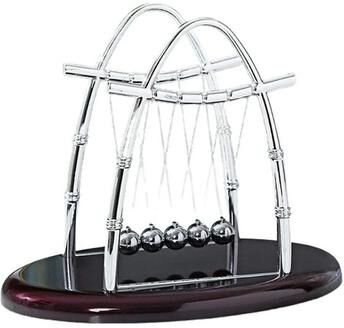
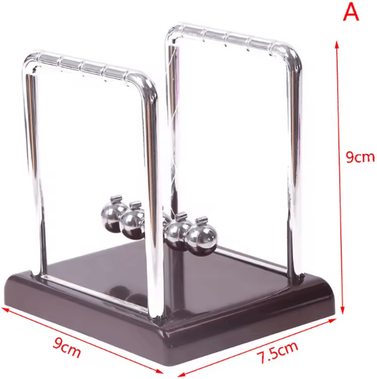
Inspire Curations Newtons Cradle Steel Balance Desk Toy Classic Physics Pendulum Decor Newtons Cradle Steel Balance Desk Toy Classic Physics Pendulum DecorBring motion, focus, and timeless curiosity to your workspace with this iconic Newtons cradle desk toy. Designed for both learning and relaxation, this elegant piece demonstrates the fascinating laws of physics while doubling as a stylish decor...40,00 $*Shipping: 0,00 $Secure redirect to the provider
-
Uplift Picks Metal Newtons Cradle Pendulum Desk Toy Educational Physics Balance Balls Metal Newtons Cradle Pendulum Desk Toy Educational Physics Balance BallsBring science to life right on your desk with this classic Newtons cradle desk toy that blends education and relaxation. Featuring polished steel balls suspended in perfect balance, this metal pendulum balance ball demonstrates the principles of...52,98 $*Shipping: 0,00 $Secure redirect to the provider
-
Uplift Curations MotionZen Newtons Cradle Desk Toy Metal Pendulum Balance Ball Physics Kinetic Energy Display For Office & Home 01Bring science to life right on your desk with this mesmerizing newtons cradle desk toy that blends education with relaxation. Designed to demonstrate the principles of motion and energy transfer, it creates a satisfying, rhythmic swing that...47,50 $*Shipping: 0,00 $Secure redirect to the provider


-
What is efficiency in physics?
Efficiency in physics refers to the ratio of useful work output to the total energy input in a system. It is a measure of how well a system can convert input energy into useful output energy. A system with high efficiency will waste less energy and be more effective in its operation. Efficiency is an important concept in physics as it helps in evaluating the performance of various systems and technologies. **
-
What is the task for energy conservation and efficiency in physics?
The task for energy conservation and efficiency in physics is to understand and quantify how energy is transferred and transformed in various systems. This involves analyzing the inputs and outputs of energy in a system, and determining how efficiently energy is being used or converted. By studying energy conservation and efficiency, physicists can develop strategies to optimize energy usage and minimize waste, leading to more sustainable and environmentally friendly technologies. **
-
Can you give me a physics problem on power, energy, and efficiency?
Sure! Here's a physics problem for you: A car engine has an efficiency of 25% and produces 200 horsepower of power. If the car is traveling at a constant speed of 60 miles per hour, calculate the energy consumption of the car in kilowatt-hours for a 2-hour journey. **
-
How is efficiency calculated in physics?
Efficiency in physics is calculated by dividing the useful output of energy or work by the total input of energy or work, and then multiplying by 100 to express it as a percentage. The formula for efficiency is: Efficiency = (useful output / total input) x 100%. This calculation helps to determine how well a system or device converts input energy into useful output energy, with a higher efficiency indicating a more effective conversion process. **

How do you calculate efficiency in physics?
Efficiency in physics is calculated by dividing the useful output of energy or work by the total input of energy or work, and then multiplying the result by 100 to express it as a percentage. The formula for efficiency is: Efficiency = (useful output / total input) x 100%. This calculation helps to determine how well a system or device converts input energy into useful output energy, with a higher efficiency indicating a more effective conversion process. **
What is efficiency in 10th grade physics?
Efficiency in 10th grade physics refers to the ratio of useful work output to the total work input in a system. It is a measure of how well a system can convert input energy into useful output energy. Efficiency is usually expressed as a percentage and is an important concept in understanding the effectiveness of machines and processes. In physics, efficiency is often calculated using the formula: Efficiency = (useful energy output / total energy input) x 100%. **
Top-Angebote
Products related to Physics:
-
Uplift Essentials Newton's Cradle Physics Balance Balls Desktop Toy Newton's Cradle Physics Balance Balls Desktop ToyDemonstrate the fundamental laws of motion while adding a classic, sophisticated accent to your workspace with Newton's Cradle Physics Balance Balls. Designed with precisionsuspended chrome steel spheres aligned on a stable frame, this classic...36,97 $*Shipping: 0,00 $Secure redirect to the provider
-
Super Simple Physics: The Ultimate Bitesize Study Guide by DK - Paperback Revision Guide - Ages 9-12 - Illustrated Physics Study AidSuper Simple Physics: The Ultimate Bitesize Study Guide by DK is a clear, curriculum-aligned guide that turns tricky physics topics into bite-sized, easy-to-digest chunks. Covering everything from atoms and forces to astronomy and flotation, it's built for home study, classroom support, and exam revision. Bright illustrations, 'How it Works' panels, and handy 'Key Facts' summary boxes make even the trickiest concepts click, giving students the confidence to tackle coursework and tests without the overwhelm that many science textbooks create. This study guide strips away the jargon and breaks the core curriculum into short, visually-led spreads that are genuinely enjoyable to read. Each topic, whether it's about motion, energy, or magnetism, is explained in a way that's easy to understand, making physics feel less daunting and more accessible. The book is suitable for students aged 9-12 and is published by DK (Dorling Kindersley).7,80 £*Shipping: 2,99 £Secure redirect to the provider
-
Arcturus Physics for Curious Kids: An Illustrated Introduction to Energy, Matter, Forces, and Our Universe! (Curious Kids, 4)Young readers can discover the wonders of physics with this inspirational and accessible book, brought to life by full-colour illustrations. This vibrant jacketed hardback is packed with clear, colourful, and engaging explanations of the world of physics, including matter and motion, space and time, energy and forces. Supporting STEM learning, this book is an ideal supplement to school education as it covers many core topics in an entertaining and easy-to-understand way. Big new concepts pop off the page thanks to colourful diagrams and an engaging, energetic text. Kids will relish sharing them with friends and family! Young readers will love exploring exhilarating new ideas about: • Astrophysics: the Big Bang, the moon, space exploration... • Optics: the speed of light, refraction, illusions... • Acoustics: sound waves, the doppler effect, supersonic sound... • Applied physics: engineering, aerodynamics; future technologies... Perfect for readers aged 8-12.7,89 £*Shipping: 2,99 £Secure redirect to the provider
-
Inspire Curations Newtons Cradle Steel Balance Desk Toy Classic Physics Pendulum Decor Newtons Cradle Steel Balance Desk Toy Classic Physics Pendulum DecorBring motion, focus, and timeless curiosity to your workspace with this iconic Newtons cradle desk toy. Designed for both learning and relaxation, this elegant piece demonstrates the fascinating laws of physics while doubling as a stylish decor...40,00 $*Shipping: 0,00 $Secure redirect to the provider
-
What is the task related to energy efficiency in physics?
In physics, the task related to energy efficiency involves maximizing the amount of useful work output while minimizing the amount of energy input. This can be achieved by reducing energy losses due to friction, heat, or other inefficiencies in a system. Energy efficiency is important in physics as it helps to conserve resources, reduce costs, and minimize environmental impact. Scientists and engineers often study ways to improve energy efficiency in various systems, such as engines, appliances, and buildings. **
-
Can you summarize the physics lecture on energy and efficiency?
In the physics lecture on energy and efficiency, we learned about the concept of energy and how it can be transferred and transformed. The lecturer discussed the different forms of energy, such as kinetic and potential energy, and how they can be converted from one form to another. Additionally, the concept of efficiency was explained, highlighting the importance of minimizing energy waste and maximizing useful work output. Overall, the lecture emphasized the fundamental principles of energy and efficiency in various physical systems. **
-
What is efficiency in physics?
Efficiency in physics refers to the ratio of useful work output to the total energy input in a system. It is a measure of how well a system can convert input energy into useful output energy. A system with high efficiency will waste less energy and be more effective in its operation. Efficiency is an important concept in physics as it helps in evaluating the performance of various systems and technologies. **
-
What is the task for energy conservation and efficiency in physics?
The task for energy conservation and efficiency in physics is to understand and quantify how energy is transferred and transformed in various systems. This involves analyzing the inputs and outputs of energy in a system, and determining how efficiently energy is being used or converted. By studying energy conservation and efficiency, physicists can develop strategies to optimize energy usage and minimize waste, leading to more sustainable and environmentally friendly technologies. **
Similar search terms for Physics
-
Uplift Picks Metal Newtons Cradle Pendulum Desk Toy Educational Physics Balance Balls Metal Newtons Cradle Pendulum Desk Toy Educational Physics Balance BallsBring science to life right on your desk with this classic Newtons cradle desk toy that blends education and relaxation. Featuring polished steel balls suspended in perfect balance, this metal pendulum balance ball demonstrates the principles of...52,98 $*Shipping: 0,00 $Secure redirect to the provider
-
Uplift Curations MotionZen Newtons Cradle Desk Toy Metal Pendulum Balance Ball Physics Kinetic Energy Display For Office & Home 01Bring science to life right on your desk with this mesmerizing newtons cradle desk toy that blends education with relaxation. Designed to demonstrate the principles of motion and energy transfer, it creates a satisfying, rhythmic swing that...47,50 $*Shipping: 0,00 $Secure redirect to the provider
-
Inspire Essentials Newton Cradle Desk Toy Steel Balance Balls Physics Decor For Office Newton Cradle Desk Toy Steel Balance Balls Physics Decor For OfficeAdd a touch of focus and fascination to your workspace with this classic newton cradle desk toy. Designed to demonstrate motion and energy in a simple yet captivating way this piece brings both relaxation and curiosity into your day. Perfect for...37,48 $*Shipping: 0,00 $Secure redirect to the provider
-
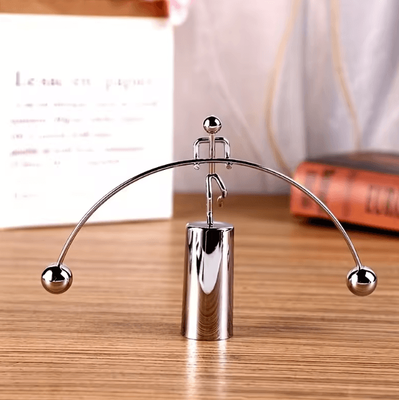
Inspire Curations Kinetic Weightlifting Balance Toy Steel Physics Desk Decor For Stress Relief Kinetic Weightlifting Balance Toy Steel Physics Desk Decor For Stress ReliefTurn any workspace into a calming, eyecatching experience. This kinetic desk toy features a unique weightlifting figure that appears to defy gravity as it swings and balances effortlessly. Designed for professionals, students, and anyone needing a...50,00 $*Shipping: 0,00 $Secure redirect to the provider
-
Can you give me a physics problem on power, energy, and efficiency?
Sure! Here's a physics problem for you: A car engine has an efficiency of 25% and produces 200 horsepower of power. If the car is traveling at a constant speed of 60 miles per hour, calculate the energy consumption of the car in kilowatt-hours for a 2-hour journey. **
-
How is efficiency calculated in physics?
Efficiency in physics is calculated by dividing the useful output of energy or work by the total input of energy or work, and then multiplying by 100 to express it as a percentage. The formula for efficiency is: Efficiency = (useful output / total input) x 100%. This calculation helps to determine how well a system or device converts input energy into useful output energy, with a higher efficiency indicating a more effective conversion process. **
-
How do you calculate efficiency in physics?
Efficiency in physics is calculated by dividing the useful output of energy or work by the total input of energy or work, and then multiplying the result by 100 to express it as a percentage. The formula for efficiency is: Efficiency = (useful output / total input) x 100%. This calculation helps to determine how well a system or device converts input energy into useful output energy, with a higher efficiency indicating a more effective conversion process. **
-
What is efficiency in 10th grade physics?
Efficiency in 10th grade physics refers to the ratio of useful work output to the total work input in a system. It is a measure of how well a system can convert input energy into useful output energy. Efficiency is usually expressed as a percentage and is an important concept in understanding the effectiveness of machines and processes. In physics, efficiency is often calculated using the formula: Efficiency = (useful energy output / total energy input) x 100%. **
* All prices are inclusive of VAT and, if applicable, plus shipping costs. The offer information is based on the details provided by the respective shop and is updated through automated processes. Real-time updates do not occur, so deviations can occur in individual cases. ** Note: Parts of this content were created by AI.