Buy wärmepumpen.co.at ?
We are moving the project
wärmepumpen.co.at .
Are you interested in purchasing the domain
wärmepumpen.co.at ?
domain@kv-gmbh.de · 0541-91531010
Buy wärmepumpen.co.at ?
How is a covalent bond formed when nonmetal atoms meet nonmetal atoms?
When nonmetal atoms meet nonmetal atoms, they can form covalent bonds by sharing electrons. Each nonmetal atom contributes one or more electrons to the bond, creating a shared electron pair between the two atoms. This sharing of electrons allows both atoms to achieve a more stable electron configuration, typically by filling their outermost energy levels. The strength of the covalent bond depends on the number of shared electrons and the distance between the nuclei of the bonded atoms. **
How does a nonmetal react with oxygen?
Nonmetals typically react with oxygen to form oxides. This reaction can be highly exothermic, meaning it releases a significant amount of heat. For example, when sulfur reacts with oxygen, it forms sulfur dioxide. Nonmetals generally have a high affinity for oxygen, and the resulting oxides can have a variety of properties, such as being acidic or basic. Overall, the reaction of nonmetals with oxygen is an important aspect of chemical reactivity and plays a role in various natural and industrial processes. **


Similar search terms for Nonmetal
Top-Angebote
Products related to Nonmetal:
-
Friendly Fresh Finds Adjustable Door Bottom Draft Stopper Weatherproof Insulation For Energy Efficiency And Noise Reduction Adjustable Door Bottom Draft Stopper Weatherproof Insulation For Energy Efficiency And Noise ReductionSay goodbye to drafts and unwanted noise with this adjustable door bottom draft stopper. Designed to fit snugly under any door, it helps prevent cold air, dust, and sound from entering your home. Whether you're looking to save on heating costs or...31,97 $*Shipping: 0,00 $Secure redirect to the provider
-
Yun 18000btuMini Split Heating and CoolingMultifunctional& Convenient Split AC Unit: Experience personalized comfort with five modes, including Cool, Fan, Dry, Heat, and Auto, along with four fan speeds, sleep mode, ECO mode, IFEEL, and turboe function.1439,99 $*Shipping: 0,00 $Secure redirect to the provider
-
Heating-Cooling Rapid Recovery CBD CreamExperience superior relief with our Heating-Cooling Rapid Recovery formula. The Relief5 Complex combines powerful ingredients including CBD, camphor, menthol, arnica, and aloe for a powerful blend that soothes and supports recovery. Our formula,...42,49 $*Shipping: 0,00 $Secure redirect to the provider
-
Smart Shopping Spot Flexible Door Draft Stopper Soundproofing & Weatherproof Seal For Energy Efficiency blackTired of cold drafts, noisy rooms, and high energy bills The Premium Flexible Door Draft Stopper is designed to block wind, sound, and dust, creating a more peaceful, comfortable environment in your home. Made from highquality PVC, this door draft...34,97 $*Shipping: 0,00 $Secure redirect to the provider


-
How do you write formulas for nonmetal oxides?
To write formulas for nonmetal oxides, you need to first identify the nonmetal element present in the oxide. Then, determine the oxidation number of the nonmetal element. Finally, write the formula by balancing the charges of the nonmetal element and oxygen. For example, the formula for carbon dioxide (CO2) is written by balancing the +4 oxidation number of carbon with the -2 oxidation number of oxygen. **
-
How can one recognize if an element is a nonmetal?
Nonmetals can be recognized by several characteristics. They are typically located on the right side of the periodic table, are poor conductors of heat and electricity, and have dull or non-shiny appearances. Nonmetals also tend to have lower melting and boiling points compared to metals. Additionally, they often form negative ions when they react with metals. **
-
What are the differences between metal oxides and nonmetal oxides?
Metal oxides are compounds formed between a metal and oxygen, while nonmetal oxides are compounds formed between a nonmetal and oxygen. Metal oxides tend to be basic in nature, meaning they react with acids to form salts and water. Nonmetal oxides, on the other hand, tend to be acidic in nature, meaning they react with bases to form salts and water. Additionally, metal oxides typically have higher melting and boiling points compared to nonmetal oxides. **
-
What are the properties of metal oxides and nonmetal oxides?
Metal oxides are typically basic in nature, meaning they react with acids to form salts and water. They are also typically solid at room temperature and have high melting and boiling points. Nonmetal oxides, on the other hand, are usually acidic in nature, meaning they react with bases to form salts and water. They are often gases or liquids at room temperature and have lower melting and boiling points compared to metal oxides. Both types of oxides play important roles in various chemical reactions and industrial processes. **

Ionic bonding always occurs between a metal and a nonmetal.
Ionic bonding always occurs between a metal and a nonmetal because of the large difference in electronegativity between the two types of elements. Metals have low electronegativity and tend to lose electrons, while nonmetals have high electronen **
What is the difference between metal oxides and nonmetal oxides in chemistry?
Metal oxides are compounds formed between a metal and oxygen, while nonmetal oxides are compounds formed between a nonmetal and oxygen. Metal oxides tend to be basic in nature, meaning they react with acids to form salts and water. Nonmetal oxides, on the other hand, tend to be acidic in nature, meaning they react with bases to form salts and water. This difference in reactivity is due to the different chemical properties of metals and nonmetals. **
Top-Angebote
Products related to Nonmetal:
-
Garvee 12000 BTU Mini Split Air Conditioner Cooling Heating Energy Star CertifiedSmart InverterHigh-Efficiency 12,000 BTU Mini Split Air Conditioner:Cover rooms up to 750 sq.ft with powerful temperature control. The 22 SEER2 efficiency rating – higher than standard units – reduces energy use by up to 30% compared to conventional systems.755,99 $*Shipping: 0,00 $Secure redirect to the provider
-
Friendly Fresh Finds Adjustable Door Bottom Draft Stopper Weatherproof Insulation For Energy Efficiency And Noise Reduction Adjustable Door Bottom Draft Stopper Weatherproof Insulation For Energy Efficiency And Noise ReductionSay goodbye to drafts and unwanted noise with this adjustable door bottom draft stopper. Designed to fit snugly under any door, it helps prevent cold air, dust, and sound from entering your home. Whether you're looking to save on heating costs or...31,97 $*Shipping: 0,00 $Secure redirect to the provider
-
Yun 18000btuMini Split Heating and CoolingMultifunctional& Convenient Split AC Unit: Experience personalized comfort with five modes, including Cool, Fan, Dry, Heat, and Auto, along with four fan speeds, sleep mode, ECO mode, IFEEL, and turboe function.1439,99 $*Shipping: 0,00 $Secure redirect to the provider
-
How is a covalent bond formed when nonmetal atoms meet nonmetal atoms?
When nonmetal atoms meet nonmetal atoms, they can form covalent bonds by sharing electrons. Each nonmetal atom contributes one or more electrons to the bond, creating a shared electron pair between the two atoms. This sharing of electrons allows both atoms to achieve a more stable electron configuration, typically by filling their outermost energy levels. The strength of the covalent bond depends on the number of shared electrons and the distance between the nuclei of the bonded atoms. **
-
How does a nonmetal react with oxygen?
Nonmetals typically react with oxygen to form oxides. This reaction can be highly exothermic, meaning it releases a significant amount of heat. For example, when sulfur reacts with oxygen, it forms sulfur dioxide. Nonmetals generally have a high affinity for oxygen, and the resulting oxides can have a variety of properties, such as being acidic or basic. Overall, the reaction of nonmetals with oxygen is an important aspect of chemical reactivity and plays a role in various natural and industrial processes. **
-
How do you write formulas for nonmetal oxides?
To write formulas for nonmetal oxides, you need to first identify the nonmetal element present in the oxide. Then, determine the oxidation number of the nonmetal element. Finally, write the formula by balancing the charges of the nonmetal element and oxygen. For example, the formula for carbon dioxide (CO2) is written by balancing the +4 oxidation number of carbon with the -2 oxidation number of oxygen. **
-
How can one recognize if an element is a nonmetal?
Nonmetals can be recognized by several characteristics. They are typically located on the right side of the periodic table, are poor conductors of heat and electricity, and have dull or non-shiny appearances. Nonmetals also tend to have lower melting and boiling points compared to metals. Additionally, they often form negative ions when they react with metals. **
Similar search terms for Nonmetal
-
Heating-Cooling Rapid Recovery CBD CreamExperience superior relief with our Heating-Cooling Rapid Recovery formula. The Relief5 Complex combines powerful ingredients including CBD, camphor, menthol, arnica, and aloe for a powerful blend that soothes and supports recovery. Our formula,...42,49 $*Shipping: 0,00 $Secure redirect to the provider
-
Smart Shopping Spot Flexible Door Draft Stopper Soundproofing & Weatherproof Seal For Energy Efficiency blackTired of cold drafts, noisy rooms, and high energy bills The Premium Flexible Door Draft Stopper is designed to block wind, sound, and dust, creating a more peaceful, comfortable environment in your home. Made from highquality PVC, this door draft...34,97 $*Shipping: 0,00 $Secure redirect to the provider
-
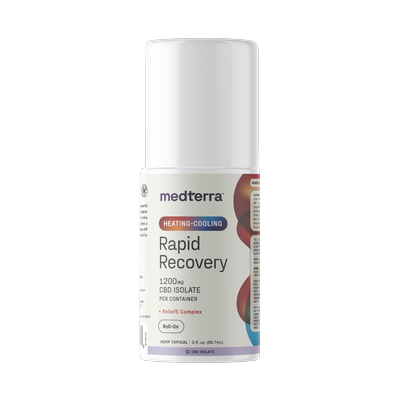
Heating-Cooling Rapid Recovery Roll OnExperience superior relief with our Heating-Cooling Rapid Recovery formula. The Relief5 Complex combines powerful ingredients including CBD, camphor, menthol, arnica, and aloe for a powerful blend that soothes and supports recovery. Our formula,...39,99 $*Shipping: 0,00 $Secure redirect to the provider
-
Smart Shopping Spot Flexible Door Draft Stopper Soundproofing & Weatherproof Seal For Energy Efficiency brownTired of cold drafts, noisy rooms, and high energy bills The Premium Flexible Door Draft Stopper is designed to block wind, sound, and dust, creating a more peaceful, comfortable environment in your home. Made from highquality PVC, this door draft...34,97 $*Shipping: 0,00 $Secure redirect to the provider
-
What are the differences between metal oxides and nonmetal oxides?
Metal oxides are compounds formed between a metal and oxygen, while nonmetal oxides are compounds formed between a nonmetal and oxygen. Metal oxides tend to be basic in nature, meaning they react with acids to form salts and water. Nonmetal oxides, on the other hand, tend to be acidic in nature, meaning they react with bases to form salts and water. Additionally, metal oxides typically have higher melting and boiling points compared to nonmetal oxides. **
-
What are the properties of metal oxides and nonmetal oxides?
Metal oxides are typically basic in nature, meaning they react with acids to form salts and water. They are also typically solid at room temperature and have high melting and boiling points. Nonmetal oxides, on the other hand, are usually acidic in nature, meaning they react with bases to form salts and water. They are often gases or liquids at room temperature and have lower melting and boiling points compared to metal oxides. Both types of oxides play important roles in various chemical reactions and industrial processes. **
-
Ionic bonding always occurs between a metal and a nonmetal.
Ionic bonding always occurs between a metal and a nonmetal because of the large difference in electronegativity between the two types of elements. Metals have low electronegativity and tend to lose electrons, while nonmetals have high electronen **
-
What is the difference between metal oxides and nonmetal oxides in chemistry?
Metal oxides are compounds formed between a metal and oxygen, while nonmetal oxides are compounds formed between a nonmetal and oxygen. Metal oxides tend to be basic in nature, meaning they react with acids to form salts and water. Nonmetal oxides, on the other hand, tend to be acidic in nature, meaning they react with bases to form salts and water. This difference in reactivity is due to the different chemical properties of metals and nonmetals. **
* All prices are inclusive of VAT and, if applicable, plus shipping costs. The offer information is based on the details provided by the respective shop and is updated through automated processes. Real-time updates do not occur, so deviations can occur in individual cases. ** Note: Parts of this content were created by AI.