Buy wärmepumpen.co.at ?
We are moving the project
wärmepumpen.co.at .
Are you interested in purchasing the domain
wärmepumpen.co.at ?
domain@kv-gmbh.de · 0541-91531010
Buy wärmepumpen.co.at ?
What is the efficiency of energy expenditure in photosynthesis?
The efficiency of energy expenditure in photosynthesis is relatively high compared to other biological processes. Photosynthesis is able to convert approximately 6% of the energy from sunlight into chemical energy stored in glucose molecules. This efficiency is due to the complex biochemical pathways and mechanisms involved in photosynthesis, such as the light-dependent and light-independent reactions. Overall, photosynthesis is a highly efficient process that plays a crucial role in sustaining life on Earth by providing energy for plants and ultimately all living organisms. **
How do you calculate the efficiency of photosynthesis?
The efficiency of photosynthesis can be calculated by measuring the amount of light energy that is converted into chemical energy in the form of glucose. This can be done by measuring the rate of oxygen production or the rate of carbon dioxide uptake, which are both indicators of the rate of photosynthesis. The efficiency can then be calculated by comparing the amount of light energy absorbed by the plant to the amount of chemical energy stored in the form of glucose. This can be expressed as a percentage to show the efficiency of the photosynthetic process. **

Similar search terms for Photosynthesis
Top-Angebote
Products related to Photosynthesis:
-
Heating-Cooling Rapid Recovery CBD CreamExperience superior relief with our Heating-Cooling Rapid Recovery formula. The Relief5 Complex combines powerful ingredients including CBD, camphor, menthol, arnica, and aloe for a powerful blend that soothes and supports recovery. Our formula,...42,49 $*Shipping: 0,00 $Secure redirect to the provider
-
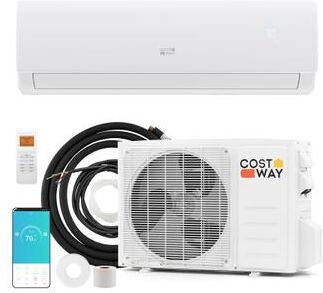
Yun 18000btuMini Split Heating and CoolingMultifunctional& Convenient Split AC Unit: Experience personalized comfort with five modes, including Cool, Fan, Dry, Heat, and Auto, along with four fan speeds, sleep mode, ECO mode, IFEEL, and turboe function.1365,07 $*Shipping: 0,00 $Secure redirect to the provider
-
Smart Shopping Spot Flexible Door Draft Stopper Soundproofing & Weatherproof Seal For Energy Efficiency whiteTired of cold drafts, noisy rooms, and high energy bills The Premium Flexible Door Draft Stopper is designed to block wind, sound, and dust, creating a more peaceful, comfortable environment in your home. Made from highquality PVC, this door draft...34,97 $*Shipping: 0,00 $Secure redirect to the provider
-
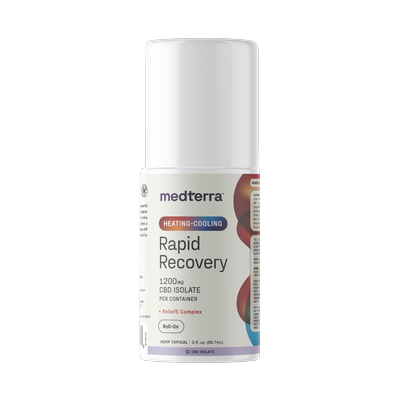
Heating-Cooling Rapid Recovery Roll OnExperience superior relief with our Heating-Cooling Rapid Recovery formula. The Relief5 Complex combines powerful ingredients including CBD, camphor, menthol, arnica, and aloe for a powerful blend that soothes and supports recovery. Our formula,...39,99 $*Shipping: 0,00 $Secure redirect to the provider


-
Why is the efficiency of photosynthesis so low?
The efficiency of photosynthesis is relatively low because it is a complex biochemical process that involves multiple steps and factors. Only a small portion of the sunlight that reaches the plant is actually used for photosynthesis, and much of it is reflected or lost as heat. Additionally, not all wavelengths of light are efficiently absorbed by the chlorophyll in the plant, further reducing the overall efficiency. Furthermore, there are limitations in the availability of carbon dioxide, water, and nutrients that can also impact the efficiency of photosynthesis. **
-
Does photosynthesis supposedly have an efficiency of only 1 percent?
No, photosynthesis does not have an efficiency of only 1 percent. The efficiency of photosynthesis can vary depending on various factors such as the type of plant, environmental conditions, and the availability of resources. On average, the efficiency of photosynthesis in plants is estimated to be around 3-6 percent. However, some studies suggest that certain plants or artificial systems can achieve efficiencies of up to 10 percent. **
-
What is photosynthesis?
Photosynthesis is the process by which green plants, algae, and some bacteria convert light energy, usually from the sun, into chemical energy stored in glucose molecules. This process involves the absorption of carbon dioxide and water, which are then converted into glucose and oxygen with the help of chlorophyll and other enzymes. Photosynthesis is crucial for the survival of plants and other organisms that depend on them for food and oxygen. **
-
Can the efficiency of photosynthesis actually be increased by high air pressure?
High air pressure can potentially increase the efficiency of photosynthesis by allowing plants to take in more carbon dioxide, which is a key component in the process. However, there are limits to how much pressure can be increased before it becomes detrimental to plant growth. Additionally, other factors such as temperature, light intensity, and nutrient availability also play a significant role in the efficiency of photosynthesis. **
What is the energy storage created by photosynthesis on Earth?
The energy storage created by photosynthesis on Earth is in the form of glucose, a simple sugar molecule. During photosynthesis, plants use sunlight, water, and carbon dioxide to produce glucose and oxygen. This glucose serves as a primary source of energy for the plant itself, as well as for other organisms that consume plants or plant products. Additionally, some of the glucose is converted into starch for long-term energy storage in plant tissues. Overall, photosynthesis is the process by which solar energy is converted into chemical energy stored in the form of glucose, which is essential for sustaining life on Earth. **
Does the photosynthesis of plants really only have an efficiency of 15 percent?
The efficiency of photosynthesis in plants is often cited as being around 15 percent, meaning that only 15 percent of the sunlight absorbed by the plant is converted into chemical energy. However, this number can vary depending on the specific plant species, environmental conditions, and the wavelength of light being used. Additionally, advancements in agricultural and biotechnological research have led to the development of more efficient photosynthetic processes, such as C4 and CAM photosynthesis, which can significantly improve overall efficiency. Therefore, while the 15 percent figure is a commonly cited average, it is important to recognize that there is variability and ongoing research in this area. **
Top-Angebote
Products related to Photosynthesis:
-
Friendly Fresh Finds Adjustable Door Bottom Draft Stopper Weatherproof Insulation For Energy Efficiency And Noise Reduction Adjustable Door Bottom Draft Stopper Weatherproof Insulation For Energy Efficiency And Noise ReductionSay goodbye to drafts and unwanted noise with this adjustable door bottom draft stopper. Designed to fit snugly under any door, it helps prevent cold air, dust, and sound from entering your home. Whether you're looking to save on heating costs or...31,97 $*Shipping: 0,00 $Secure redirect to the provider
-
Heating-Cooling Rapid Recovery CBD CreamExperience superior relief with our Heating-Cooling Rapid Recovery formula. The Relief5 Complex combines powerful ingredients including CBD, camphor, menthol, arnica, and aloe for a powerful blend that soothes and supports recovery. Our formula,...42,49 $*Shipping: 0,00 $Secure redirect to the provider
-
Yun 18000btuMini Split Heating and CoolingMultifunctional& Convenient Split AC Unit: Experience personalized comfort with five modes, including Cool, Fan, Dry, Heat, and Auto, along with four fan speeds, sleep mode, ECO mode, IFEEL, and turboe function.1365,07 $*Shipping: 0,00 $Secure redirect to the provider
-
What is the efficiency of energy expenditure in photosynthesis?
The efficiency of energy expenditure in photosynthesis is relatively high compared to other biological processes. Photosynthesis is able to convert approximately 6% of the energy from sunlight into chemical energy stored in glucose molecules. This efficiency is due to the complex biochemical pathways and mechanisms involved in photosynthesis, such as the light-dependent and light-independent reactions. Overall, photosynthesis is a highly efficient process that plays a crucial role in sustaining life on Earth by providing energy for plants and ultimately all living organisms. **
-
How do you calculate the efficiency of photosynthesis?
The efficiency of photosynthesis can be calculated by measuring the amount of light energy that is converted into chemical energy in the form of glucose. This can be done by measuring the rate of oxygen production or the rate of carbon dioxide uptake, which are both indicators of the rate of photosynthesis. The efficiency can then be calculated by comparing the amount of light energy absorbed by the plant to the amount of chemical energy stored in the form of glucose. This can be expressed as a percentage to show the efficiency of the photosynthetic process. **
-
Why is the efficiency of photosynthesis so low?
The efficiency of photosynthesis is relatively low because it is a complex biochemical process that involves multiple steps and factors. Only a small portion of the sunlight that reaches the plant is actually used for photosynthesis, and much of it is reflected or lost as heat. Additionally, not all wavelengths of light are efficiently absorbed by the chlorophyll in the plant, further reducing the overall efficiency. Furthermore, there are limitations in the availability of carbon dioxide, water, and nutrients that can also impact the efficiency of photosynthesis. **
-
Does photosynthesis supposedly have an efficiency of only 1 percent?
No, photosynthesis does not have an efficiency of only 1 percent. The efficiency of photosynthesis can vary depending on various factors such as the type of plant, environmental conditions, and the availability of resources. On average, the efficiency of photosynthesis in plants is estimated to be around 3-6 percent. However, some studies suggest that certain plants or artificial systems can achieve efficiencies of up to 10 percent. **
Similar search terms for Photosynthesis
-
Smart Shopping Spot Flexible Door Draft Stopper Soundproofing & Weatherproof Seal For Energy Efficiency whiteTired of cold drafts, noisy rooms, and high energy bills The Premium Flexible Door Draft Stopper is designed to block wind, sound, and dust, creating a more peaceful, comfortable environment in your home. Made from highquality PVC, this door draft...34,97 $*Shipping: 0,00 $Secure redirect to the provider
-
Heating-Cooling Rapid Recovery Roll OnExperience superior relief with our Heating-Cooling Rapid Recovery formula. The Relief5 Complex combines powerful ingredients including CBD, camphor, menthol, arnica, and aloe for a powerful blend that soothes and supports recovery. Our formula,...39,99 $*Shipping: 0,00 $Secure redirect to the provider
-
Medterra Heating-Cooling Rapid Recovery Roll OnExperience superior relief with our Heating-Cooling Rapid Recovery formula. The Relief5 Complex combines powerful ingredients including CBD, camphor, menthol, arnica, and aloe for a powerful blend that soothes and supports recovery. Our formula,...39,99 $*Shipping: 0,00 $Secure redirect to the provider
-
Medterra Heating-Cooling Rapid Recovery CBD CreamExperience superior relief with our Heating-Cooling Rapid Recovery formula. The Relief5 Complex combines powerful ingredients including CBD, camphor, menthol, arnica, and aloe for a powerful blend that soothes and supports recovery. Our formula,...42,49 $*Shipping: 0,00 $Secure redirect to the provider
-
What is photosynthesis?
Photosynthesis is the process by which green plants, algae, and some bacteria convert light energy, usually from the sun, into chemical energy stored in glucose molecules. This process involves the absorption of carbon dioxide and water, which are then converted into glucose and oxygen with the help of chlorophyll and other enzymes. Photosynthesis is crucial for the survival of plants and other organisms that depend on them for food and oxygen. **
-
Can the efficiency of photosynthesis actually be increased by high air pressure?
High air pressure can potentially increase the efficiency of photosynthesis by allowing plants to take in more carbon dioxide, which is a key component in the process. However, there are limits to how much pressure can be increased before it becomes detrimental to plant growth. Additionally, other factors such as temperature, light intensity, and nutrient availability also play a significant role in the efficiency of photosynthesis. **
-
What is the energy storage created by photosynthesis on Earth?
The energy storage created by photosynthesis on Earth is in the form of glucose, a simple sugar molecule. During photosynthesis, plants use sunlight, water, and carbon dioxide to produce glucose and oxygen. This glucose serves as a primary source of energy for the plant itself, as well as for other organisms that consume plants or plant products. Additionally, some of the glucose is converted into starch for long-term energy storage in plant tissues. Overall, photosynthesis is the process by which solar energy is converted into chemical energy stored in the form of glucose, which is essential for sustaining life on Earth. **
-
Does the photosynthesis of plants really only have an efficiency of 15 percent?
The efficiency of photosynthesis in plants is often cited as being around 15 percent, meaning that only 15 percent of the sunlight absorbed by the plant is converted into chemical energy. However, this number can vary depending on the specific plant species, environmental conditions, and the wavelength of light being used. Additionally, advancements in agricultural and biotechnological research have led to the development of more efficient photosynthetic processes, such as C4 and CAM photosynthesis, which can significantly improve overall efficiency. Therefore, while the 15 percent figure is a commonly cited average, it is important to recognize that there is variability and ongoing research in this area. **
* All prices are inclusive of VAT and, if applicable, plus shipping costs. The offer information is based on the details provided by the respective shop and is updated through automated processes. Real-time updates do not occur, so deviations can occur in individual cases. ** Note: Parts of this content were created by AI.